
Liesel Jolly is a British marketing and sponsorship professional known for her work in sports and women’s football. She has developed a successful career at Visa, where she has worked across partnerships, sponsorships, events, and athlete programmes. Her professional journey is interesting because it began with an academic background in zoology and behavioural ecology before moving into business and sports marketing. Over the years, she has become involved in major sporting partnerships and initiatives supporting female footballers. She has also attracted public attention through her professional connection with women’s football figures. This article explores Liesel Jolly’s education, career, professional achievements, and role in the growing women’s football industry.
Who Is Liesel Jolly? A brief biography
| Category | Details |
|---|---|
| Full Name | Liesel Jolly |
| Profession | Senior Sponsorship and Partnership Marketing Professional |
| Industry | Sports Marketing and Sponsorship |
| Known For | Women’s football sponsorship and athlete-development initiatives |
| Current Professional Role | Women’s Football Lead at Visa in Europe |
| Company | Visa |
| Career at Visa | Joined Visa in 2011 |
| Education | BSc in Zoology |
| University | Anglia Ruskin University |
| Postgraduate Education | MPhil in Behavioural Ecology |
| Executive Education | Executive MBA, University of Exeter |
| Management Qualification | Chartered Manager / Senior Leadership and Management Practice |
| Major Sports Involvement | UEFA Women’s Football, Team Visa Women’s Football Programme, Olympic and Paralympic sponsorship |
| The Second Half | Co-created the career-development programme in 2020 for professional female footballers |
| Professional Focus | Sponsorship strategy, partnerships, athlete marketing, sports campaigns and women’s football |
| Charitable Involvement | Trustee of The Rachel Yankey Foundation |
| Previous Industry | Financial services |
| Early Career Location | Gibraltar |
| Public Profile | Professional sports-marketing figure with a relatively private personal life |
| Associated With | Karen Carney through professional work on The Second Half programme |
Who Is Liesel Jolly?
Liesel Jolly is a British sponsorship and partnership marketing professional whose career is closely connected with Visa and women’s football. Her work focuses on creating partnerships between brands, athletes, sporting organisations, and audiences. She has held several roles during her career, developing experience in sponsorship marketing, events, athlete programmes, and commercial strategy. Her professional profile has become particularly connected with Visa’s women’s football activities in Europe. Unlike players who appear on the pitch, Jolly works behind the scenes to develop programmes and partnerships that support the wider sporting environment. Her career demonstrates how marketing professionals can contribute to the growth and visibility of modern sports.
Public interest in Liesel Jolly has increased as women’s football has become more commercially successful. She has been associated with initiatives designed to support female athletes and create stronger relationships between brands and football audiences. The Women’s Football Awards has identified her as Visa’s Women’s Football Lead in Europe. Her work includes involvement with Visa’s UEFA Women’s Football partnership and athlete-focused projects. However, information about her private life remains more limited than details about her professional career. Therefore, a reliable biography should focus mainly on her education, employment, sponsorship work, and documented professional activities rather than repeating unconfirmed personal claims found online. Read More :Jane Mary Ashton: Biography, Family, Career and Life
Liesel Jolly’s Education
Liesel Jolly has an interesting academic background that differs from traditional sports marketing careers. She studied Zoology at Anglia Ruskin University, where she completed a Bachelor of Science degree. She then continued her education with an MPhil in Behavioural Ecology. Her early studies focused on science, research, animal behaviour, and analytical thinking rather than advertising or football. This background gave her experience in studying information carefully and understanding complex subjects. Although her education was not directly connected to sports marketing, the skills developed through research and scientific study could later become useful in business. Her academic journey shows that successful sports professionals can come from unexpected educational backgrounds.
Jolly later added formal business and leadership education to her qualifications. Public professional information states that she completed an Executive MBA at the University of Exeter. She also completed a senior leadership and management qualification through the Chartered Management Institute. These later studies helped expand her knowledge of business strategy, leadership, and organisational management. Together, her qualifications create a diverse professional foundation. She moved from zoology and behavioural ecology into finance, business operations, sponsorship, and sports marketing. This combination makes her career particularly interesting for people considering similar industries. Her experience shows that education can provide transferable skills even when the original subject appears unrelated to a later career.
Liesel Jolly’s Early Career
Before becoming closely involved in sports sponsorship, Liesel Jolly gained experience in business and financial services. Public professional information connects her with roles involving financial administration, compliance, operations, and chargebacks. These positions helped her develop practical experience with business systems and detailed processes. Although this work was different from her later responsibilities in sports marketing, it gave her valuable corporate experience. Working with financial information requires attention to detail, organisation, communication, and accuracy. These abilities can become useful in almost any large organisation. Her early career therefore provided a practical foundation before she moved into the sponsorship and partnership sector.
Jolly eventually moved into marketing and sponsorship, where her professional direction changed considerably. Her career at Visa gave her opportunities to work across business programmes, partnerships, events, and sports. She gained experience coordinating different stakeholders and managing projects connected with major international properties. These responsibilities required planning and communication because sponsorship programmes often involve brands, athletes, agencies, event organisers, and customers. Her transition from financial services to sports marketing also demonstrates the value of transferable business skills. Instead of starting again from zero, she could apply her existing organisational and commercial experience to a completely different industry.
Liesel Jolly and Visa
Visa has played a major role in Liesel Jolly’s professional development. She joined the company during the early 2010s and subsequently worked in several positions. Her experience included partnership marketing, events, and major sporting programmes. One important area of her career involved Visa’s association with the London 2012 Olympic and Paralympic Games. Large sporting events require extensive coordination because sponsors must manage branding, hospitality, communications, guest experiences, and event activities. Working in such an environment can provide valuable experience in international sponsorship. It also helped Jolly develop skills that later became relevant to her work with football and athlete partnerships.
Over time, Jolly’s responsibilities became increasingly connected with sports and women’s football. Her work has involved sponsorship marketing, athlete programmes, events, and partnerships. She has also been associated with Visa’s Team Visa women’s football initiatives. These programmes connect professional female footballers with commercial campaigns and brand activities. Her role requires balancing business objectives with the needs of athletes and sporting audiences. This type of partnership work is becoming increasingly important as women’s football attracts larger audiences and greater investment. Jolly’s career at Visa therefore places her within an important part of the commercial development taking place across the women’s game.
Liesel Jolly and Women’s Football
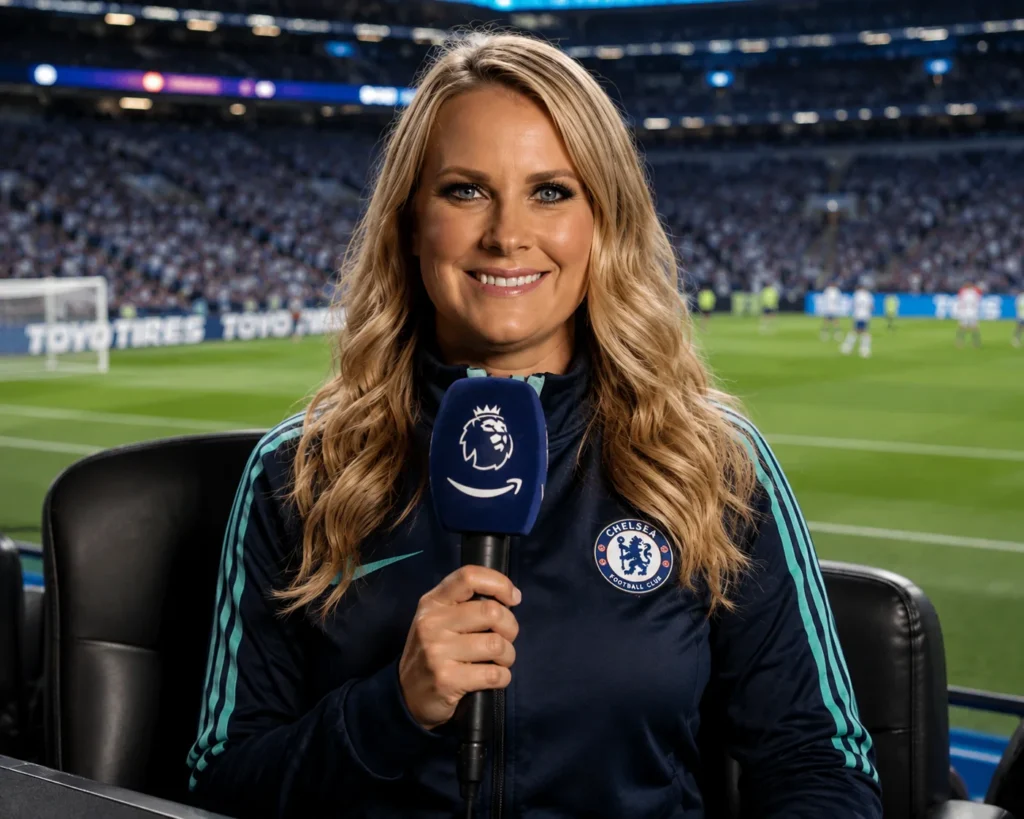
Women’s football has become one of the most important areas of Liesel Jolly’s professional work. Her responsibilities involve partnerships that connect Visa with football organisations, competitions, players, and supporters. Sponsorship can provide funding, marketing resources, visibility, and new commercial opportunities for the sport. However, effective sponsorship involves more than simply displaying a company logo. It can include athlete campaigns, fan experiences, community programmes, digital content, and long-term development projects. Jolly’s work sits within this broader environment. Her role demonstrates how marketing and commercial professionals can help build stronger connections between brands and the rapidly expanding audience for women’s football.
Jolly has also been associated with initiatives designed specifically around female footballers. Through her work with athlete programmes, she has helped connect players with commercial opportunities and brand campaigns. This can be valuable because professional athletes increasingly need support both during and after their playing careers. Women’s football is also developing its commercial identity, creating new opportunities for players to work with major companies. Jolly’s contribution is largely behind the scenes, where she helps develop these relationships. Her career illustrates that the growth of women’s football depends on many professionals beyond players and coaches, including marketers, sponsors, event managers, and partnership specialists.
Liesel Jolly and The Second Half
One project associated with Liesel Jolly is The Second Half, an initiative focused on supporting women footballers as they consider their futures beyond professional playing. Football careers can be relatively short, making preparation for life after sport especially important. The programme aims to encourage players to think about skills, career choices, and opportunities outside football. Jolly has been connected with the initiative through her work in sponsorship and athlete programmes. The project demonstrates how sports partnerships can address wider issues affecting athletes. Rather than focusing only on competition and advertising, programmes like this can help players consider their long-term personal and professional development.
The Second Half has also connected Jolly professionally with former England footballer Karen Carney and former Scotland international Kim Little. Their association is linked to the development and promotion of the programme. However, readers should distinguish a professional relationship from claims about someone’s private life. Online searches have sometimes connected Jolly and Carney personally, but there is no reliable public confirmation establishing a romantic relationship. The documented connection is professional and centred on women’s football development. Keeping this distinction clear is important for accurate reporting. Jolly’s work on The Second Half is significant in its own right and does not require unsupported personal speculation.
Liesel Jolly’s Sports Sponsorship Work
Sports sponsorship is a complex field that involves much more than advertising. Professionals working in this area may manage relationships with athletes, teams, competitions, agencies, event organisers, and customers. They can also develop campaigns, hospitality programmes, digital content, community projects, and athlete partnerships. Jolly’s career reflects many of these responsibilities. Her work at Visa has included major sporting properties and football-related programmes. This experience has helped her understand how brands can become meaningful partners within sports rather than simply commercial advertisers. In women’s football, that distinction can be especially important because long-term investment can contribute to greater visibility and professional development.
Jolly’s sponsorship work is particularly relevant because women’s football continues to grow commercially. More fans are watching matches, following players, and engaging with competitions online. As interest increases, major brands have more opportunities to support and promote the sport. However, strong partnerships must create value for everyone involved. Athletes need meaningful opportunities, fans need authentic experiences, and brands need effective communication. Jolly works within this environment, helping connect these different interests. Her professional experience shows why sponsorship and marketing have become important parts of the modern football industry and why women’s football needs skilled commercial professionals alongside sporting talent.
Liesel Jolly’s Professional Recognition
Liesel Jolly has received recognition within the women’s football and sports marketing industry. The Women’s Football Awards has listed her among its judges and identified her as Visa’s Women’s Football Lead in Europe. Her professional role has been associated with Visa’s partnership with UEFA Women’s Football. Such recognition reflects the growing importance of commercial leadership within women’s sport. It also highlights how sponsorship professionals can have an influence beyond individual advertising campaigns. Long-term partnerships require strategic planning, relationship management, and an understanding of the sporting environment. Jolly’s work combines these areas, making her a notable figure within the business side of women’s football.
Her professional background is also notable because it combines several different areas of expertise. She has experience in financial services, business operations, sponsorship, events, athlete marketing, and leadership. Her academic qualifications add further depth to this profile. Instead of following one straight professional route, she developed skills across different industries before establishing herself in sports marketing. This may be useful for readers interested in sports business careers. A person does not necessarily need to begin in football to eventually work in the industry. Skills such as organisation, communication, analysis, leadership, and project management can all create valuable opportunities.
Liesel Jolly’s Public Life
Compared with footballers and television personalities, Liesel Jolly has maintained a relatively private public profile. Most available information concerns her career, education, and professional involvement with Visa. She does not appear to have built her identity around celebrity or entertainment. Instead, her public presence mainly comes from conferences, professional organisations, sports initiatives, and industry recognition. This makes it important to avoid filling information gaps with assumptions. When researching people who work behind the scenes, public records may naturally contain fewer personal details. A responsible biography should therefore focus on information that can be reasonably supported and avoid presenting speculation as established fact.
Interest in Jolly has partly increased because of her professional association with Karen Carney through The Second Half. However, professional collaboration should not automatically be interpreted as evidence of a personal relationship. The available public information supports their connection through women’s football and athlete development. This distinction helps keep the discussion factual and respectful. For readers researching Jolly, her professional achievements provide much more reliable information than rumours about her private life. Her work in sponsorship, marketing, and women’s football offers a substantial career story without needing to rely on unverified claims or personal speculation.
Why Liesel Jolly Matters in Women’s Football
Liesel Jolly represents the many professionals working behind the scenes to develop modern women’s football. A successful sports industry depends on more than athletes and coaches. Sponsors, marketers, event managers, commercial executives, communications teams, and partnership specialists all contribute to the growth of competitions and athletes. Jolly’s work at Visa demonstrates how these roles can connect major brands with female players and football audiences. Her career is therefore part of the larger commercial structure supporting women’s football. As the sport continues to develop, professionals with experience in sponsorship and partnerships can play an increasingly important role.
Her career can also inspire people interested in entering the sports business industry. Jolly did not take a direct route from football into marketing. Instead, she studied science, gained business experience, moved into corporate roles, and eventually developed expertise in international sponsorship. Her journey shows that career paths can change significantly over time. Skills gained in one field may become useful somewhere completely different. Readers interested in this subject can also explore related topics such as sports marketing careers, women’s football sponsorship, and careers in sports management. These areas provide useful context for understanding the type of work professionals like Jolly perform.
Frequently Asked Questions
Who is Liesel Jolly?
Liesel Jolly is a British sponsorship and marketing professional associated with Visa and women’s football.
What does Liesel Jolly do?
She works in sports partnerships, sponsorship, athlete programmes, events, and marketing, with a strong focus on women’s football.
What did Liesel Jolly study?
She studied Zoology and Behavioural Ecology before later completing business and leadership qualifications.
Is Liesel Jolly Karen Carney’s partner?
There is no reliable public confirmation of a romantic relationship. Their documented connection is professional.
What is The Second Half?
The Second Half is an initiative supporting women footballers as they prepare for careers beyond professional playing.
Conclusion
Liesel Jolly has developed an impressive career across business, sponsorship, marketing, and women’s football. Her journey began with scientific education before moving into financial services and corporate roles. She later built substantial experience at Visa, working with major sporting programmes, athlete partnerships, and women’s football initiatives. Her involvement with The Second Half also highlights her interest in supporting female players beyond their playing careers. Although public curiosity sometimes focuses on her private life, the strongest information concerns her professional achievements. For anyone researching Liesel Jolly, her career provides an interesting example of how diverse education, transferable skills, and commercial experience can lead to leadership within the modern sports industry.